ServicesInherited & Probate Houses
Inherited and Probate House Sales in Plymouth
Before we price an inherited house, we confirm who has the legal authority to sell it, whether court approval is needed, and what the title report shows. Getting those answers first keeps an estate sale from stalling halfway through escrow.
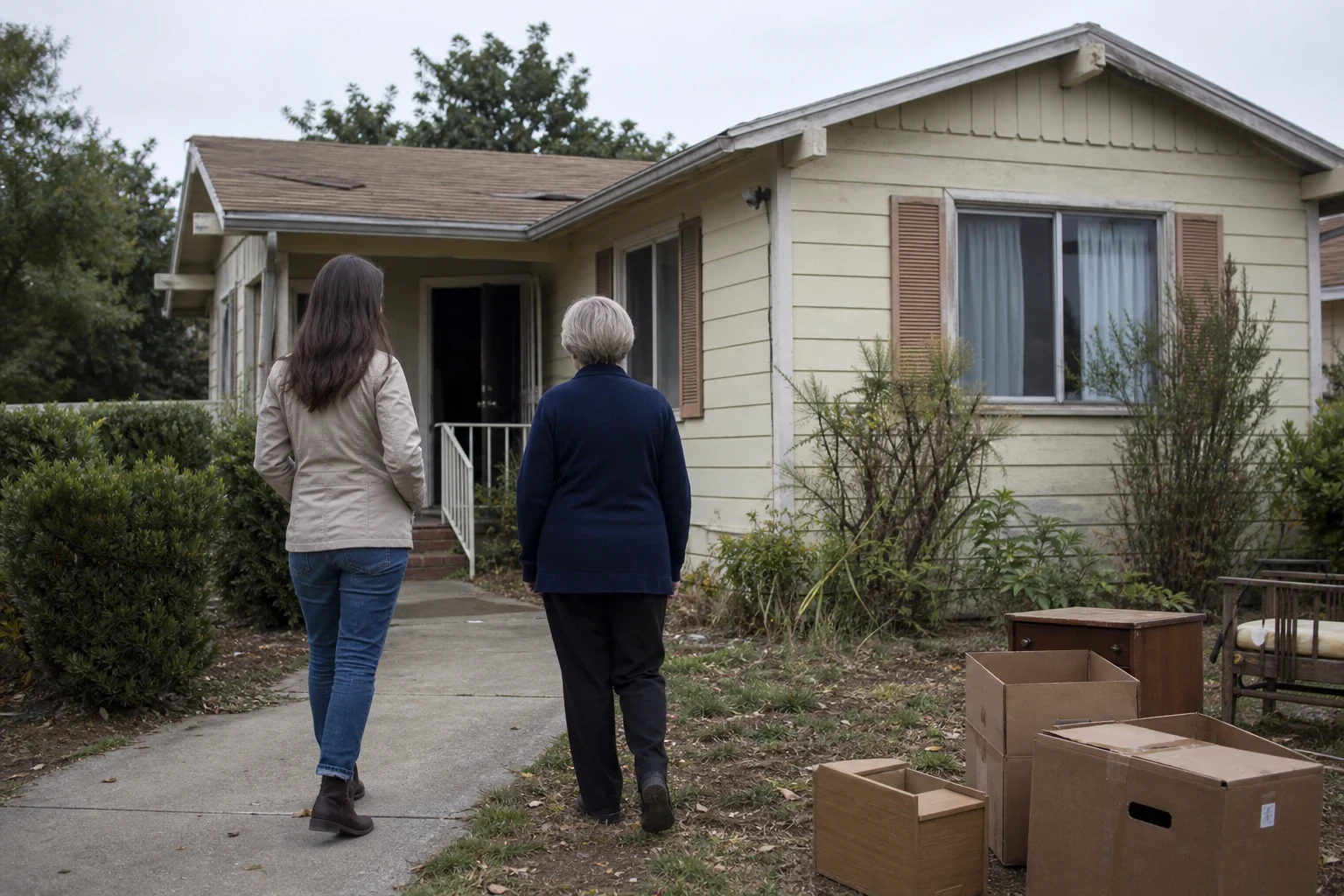
Start With the Paperwork, Then the House
Most inherited sales that go wrong fail on authority, not price. An executor without letters testamentary cannot open escrow. A successor trustee who never recorded the trustee affidavit hits a title hold. An administrator with limited authority under the Independent Administration of Estates Act may need court confirmation, which adds a hearing and a chance for other bidders to overbid in the courtroom.
So our first job is to find out which situation you are actually in. We read the trust or the court letters, look at the preliminary title report, and ask what the probate attorney has already filed. Then we build the sale around those facts instead of guessing and fixing it later.
Legal and tax advice is outside our role. If something you ask really needs a lawyer or an accountant, we say so plainly and point you to the estate's attorney or CPA. We keep the sale timed to their work, so nothing we do gets ahead of a filing or a tax decision.
What We Handle on an Estate Sale
- Authority check
- We confirm whether the house sits in a living trust, passes through probate, or transfers another way. That tells us who signs the purchase contract and whether a judge has to approve the price.
- Title review
- We go through the preliminary title report for old deeds of trust, liens, unrecorded transfers and missing reconveyances. Catching a lender's lien that was paid but never released can save weeks.
- Condition assessment
- We walk the property in person or by video and note what a buyer's inspector will flag: roof age, the electrical panel, a well or septic system on rural parcels, and deferred maintenance. Then we tell you which repairs are likely to pay back and which are not.
- Pricing from recent sales
- We price against comparable recent sales and explain how condition and contents affect them. In probate, that number may also need to line up with the court-ordered appraisal.
- Coordination with heirs and the attorney
- We send the same updates to every heir who needs them and time each step to the attorney's filings. That includes the Notice of Proposed Action when the estate has full authority.
Signs an Estate Sale Needs a Plan Now
The will names you, but you have no letters
Being named executor does not let you sell. The court has to issue letters first, and buyers' lenders will ask for them.
The house is in a trust no one has touched
The successor trustee usually can sell without court involvement. Title still needs proof of the death and the trustee's authority on record before closing.
Heirs disagree on keeping or selling
A pricing review built on real comparable sales gives everyone the same numbers to argue over. That usually shortens the argument.
Bills keep running on an empty house
Property tax, insurance, utilities and yard upkeep come out of the estate every month. Many carriers also restrict coverage once a house sits unoccupied, which is worth checking now.
No heir plans to move in
Under California's Proposition 19, an inherited house is generally reassessed unless a child moves in as a primary residence. Ask the estate's CPA how that affects the decision to hold or sell.
How an Inherited Sale Runs With Us
- 1
First phone call
We ask how the house passed, what documents you hold, and who else has a say. Most of what we need to know comes out in this conversation.
- 2
Document and title review
We read the trust or letters and order the preliminary title report. If something blocks a sale, we find it here, not in escrow.
- 3
Walk-through and pricing
We meet at the property or go room by room by video. You get a price range from recent sales and a short list of prep work, if any is worth doing.
- 4
Marketing and offers
We put the house on the market and bring every offer to the person with signing authority. If the court must confirm the sale, we prepare buyers for the hearing and possible overbids.
- 5
Escrow and closing
We track inspections, appraisal and title clearance to the closing date. Proceeds go to the estate or trust, and the attorney or trustee handles distribution to heirs.
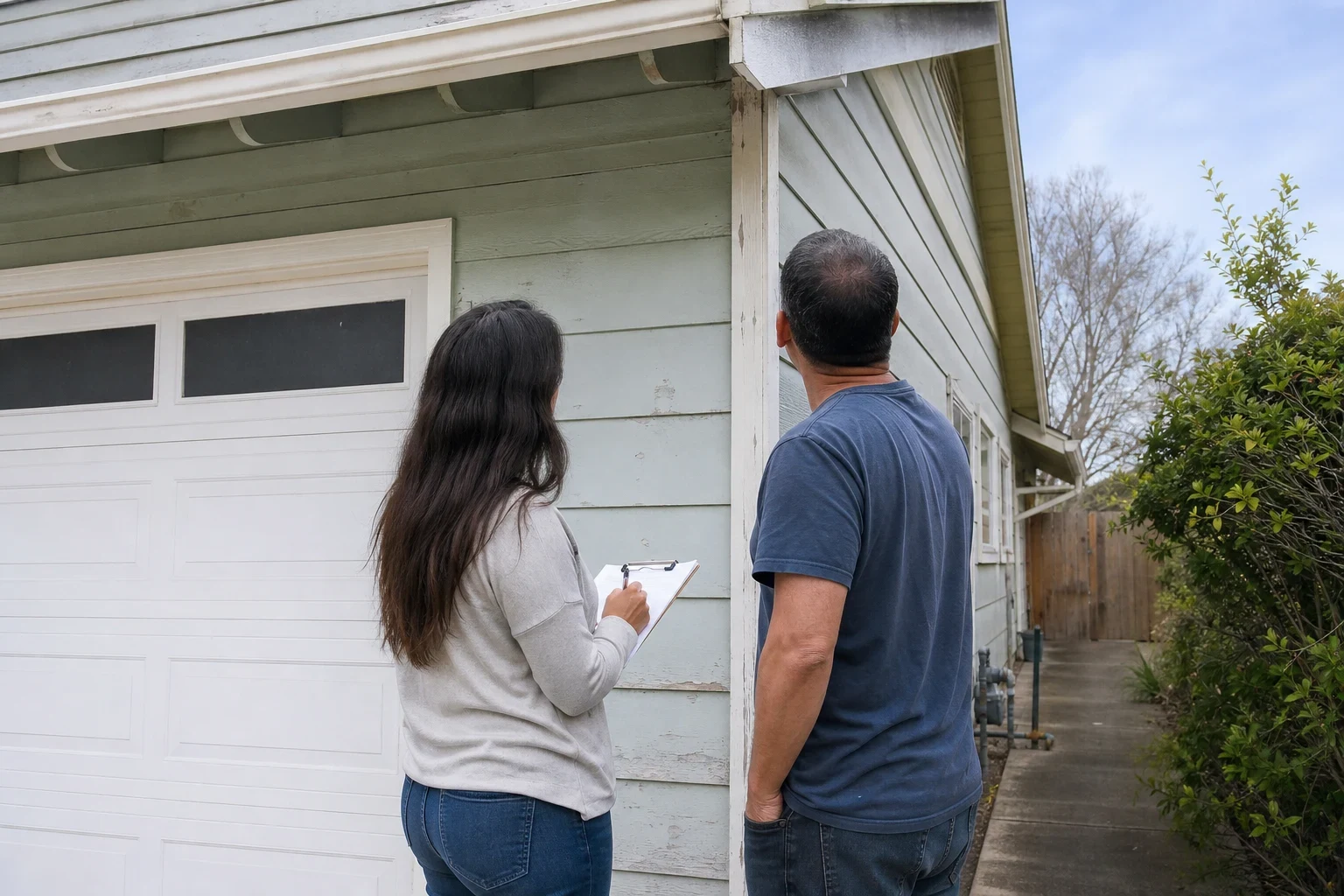
What Shapes the Cost and Timeline of an Estate Sale
The biggest variables in an inherited sale are legal steps and condition, not just market value. We walk through each one on the first call so the estate can plan for it.
- Type of authority
- A trust sale or full IAEA authority moves faster than a sale that needs court confirmation. A confirmation hearing adds weeks and can change the final price through overbids.
- Title problems
- Unreleased liens, a deed that skipped a spouse, or an old easement have to be cleared before closing. Each takes time and sometimes attorney work.
- Contents and condition
- A house full of belongings or with years of deferred repairs costs more to prepare. We help decide what is worth fixing against what a buyer will discount.
- Number of heirs
- More decision makers means more signatures and more time to agree on price. Clear numbers early keep that from dragging.
Common Questions About Selling an Estate Property
Something not covered here? (209) 348-1130
Can the house sell while probate is still open?
Yes. Once the court issues letters to the executor or administrator, a sale can go forward with probate still in progress. Whether a judge has to confirm that sale depends on the level of authority the court granted. The probate attorney can confirm which applies, and we set the timeline around the answer.
The house was in a living trust. Is the process different?
Usually it is simpler. A successor trustee can typically sell without court approval. Title will still want a death certificate and a recorded trustee affidavit before closing, and we make sure those are in place early.
Should we clean out and repair the house before selling?
Sometimes, but not always. Removing contents and doing basic cleanup almost always helps. Larger repairs only make sense when comparable sales show buyers pay more than the work costs, and we show you those numbers before you spend anything.
Can we work with you if the heirs live out of the area?
Yes. We handle much of an estate sale by phone and video, and escrow companies regularly arrange signing for heirs and trustees in other states.
What happens to taxes when we sell an inherited house?
Inherited property often receives a stepped-up cost basis, which can reduce capital gains, and Proposition 19 affects property tax if the house is kept. Those rules depend on the details, so we ask the estate's CPA to confirm before any decision.
Find Out Where the Estate Stands Before You Sell
Tell us how the house passed and what papers you have. We will tell you what has to happen before a sale can close, and in what order.