ServicesHome Buying Help
Home Buying Help in Plymouth
Buying a house goes better when you know what is wrong with it before you sign. We read the disclosures, inspection reports and well and septic results with you. We explain what each finding means and help you write an offer that reflects the real condition of the property.
What home buying help covers
We represent you as the buyer from the first conversation through closing. That means finding houses that fit, reading every report that comes with them, writing and negotiating the offer, and keeping escrow on schedule. Early planning does not require a drive. Our first meetings can happen at the office, over the phone or on a video call, which lets you sort out priorities before touring anything.
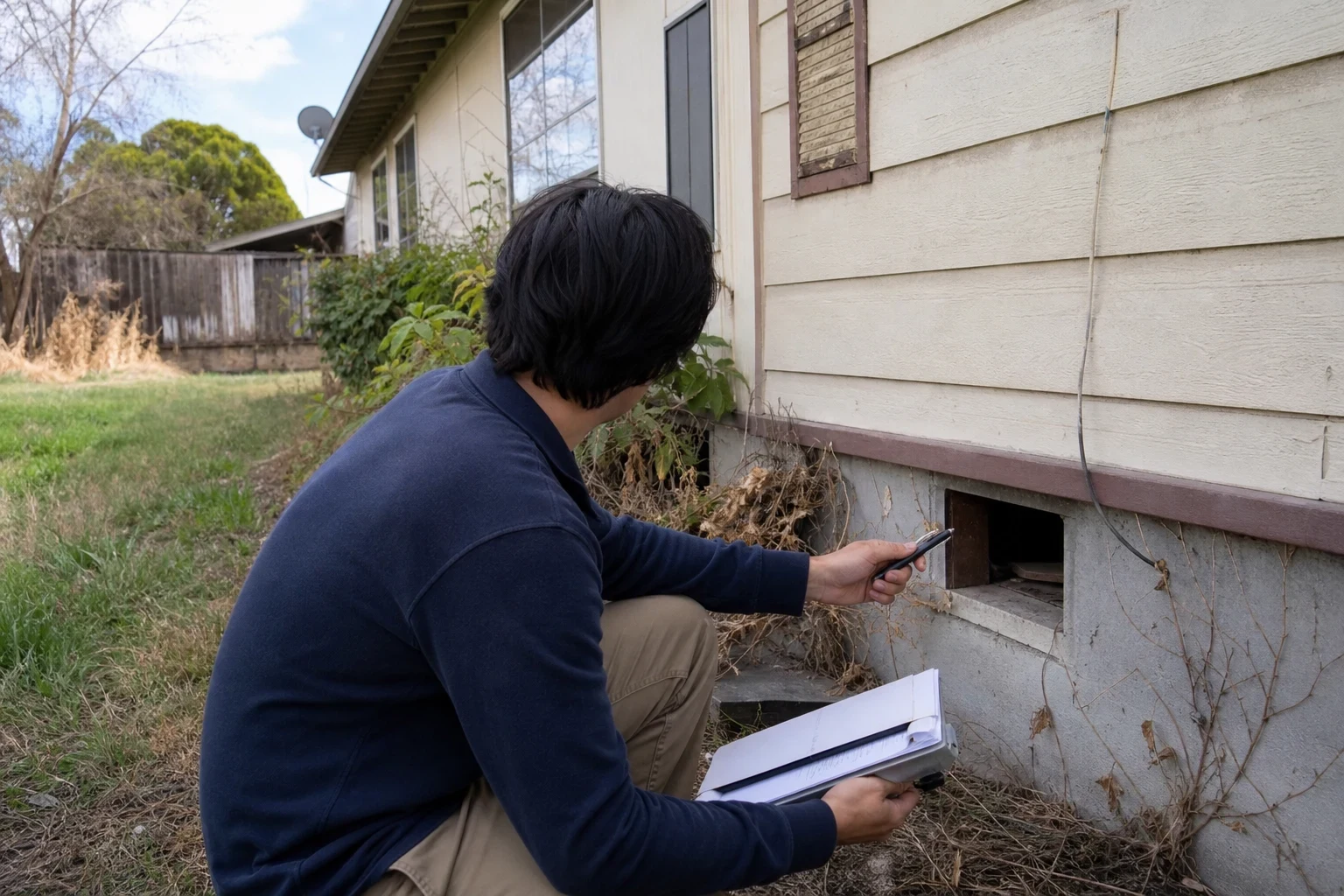
Our habit is to find the cause before anyone agrees on a fix. A damp crawlspace might come from a downspout dumping water against the foundation, or from groundwater moving under the lot. One is a cheap gutter extension. The other can mean drainage work and a structural look at the footings. That difference belongs in your offer or your repair request, not in your first wet winter.
Foothill property often comes with a private well, a septic system and outbuildings, so we make sure each one is checked by the right specialist instead of being waved through with the general inspection.
What we handle for you
A search built on real limits
We start with your budget, commute, lot size and must-haves. Then we screen out houses with problems you have already ruled out, such as shared wells, unpermitted additions or driveways that cross a neighbor's parcel.
Disclosure review, line by line
California sellers provide a Transfer Disclosure Statement and a Natural Hazard Disclosure report. We go through both with you and flag vague or checked-yes answers that need a follow-up question before your investigation period ends.
Inspections matched to the property
We help you schedule a general inspection, a wood-destroying pest report, and well flow, water quality and septic inspections where they apply. When an inspector notes a symptom, such as a sagging roof line or a warm electrical panel, we push for a specialist who can name the cause.
Offer writing and negotiation
Price, deposit, contingency periods and who pays which costs are written plainly. If inspections turn up a real defect, we ask for a repair, a credit or a price change backed by the specialist's findings, not a guess.
Escrow follow-through
We track the appraisal, loan, insurance and contingency removal dates so none of them lapse by accident and your deposit stays protected.
Signs it is time to bring in help
Your offers keep losing
Usually the cause is terms, not price. A long contingency period or a loose financing letter can make a strong number look weak to a seller.
The inspection report reads like code
Notes like "efflorescence on stem wall" or "double-tapped breaker" mean something specific. We translate each one and tell you which need a specialist and which are routine upkeep.
The house has a well, septic or outbuildings
These systems cost real money to repair and are not fully covered by a general inspection. They need their own testing before you commit.
Insurance quotes are slow or high
Wildfire exposure affects whether carriers will write a policy. We have you shop insurance early in escrow, because a policy you cannot get can stall the loan.
You are buying for the first time
Deposits, contingencies and escrow timelines are easier to manage when someone walks you through each step before it arrives.
How a purchase runs with us
- 1
First conversation
Our first talk can happen in person at the office, on a call or over video. We cover how much you want to spend, when you need to move and what kind of property suits you. We also confirm you have a lender's approval letter, since sellers expect one with any offer.
- 2
Touring and screening
We look at houses with you and point out what to watch for: roof age, foundation cracks, drainage patterns and signs of old water damage. Houses that fail the basics come off the list early.
- 3
Writing the offer
We pull recent comparable sales, set a price and terms, and choose contingency periods that leave enough time for every inspection the property needs.
- 4
Inspections and diagnosis
Inspections go in during the investigation period. When a finding needs explaining, we bring in the right trade to find the cause, then negotiate based on what they report.
- 5
Contingency removal and closing
Once inspections, appraisal and loan are settled, we remove contingencies in writing, confirm the final walk-through and see the sale through to recording.
What affects the cost of buying
The price on the house is only part of what you will spend. We go over the other costs before you write an offer so the numbers at closing match what you planned. How we are paid is set in a written buyer agreement we sign together before touring, so there is no question about it later.
- Loan type and down payment
- Conventional, FHA, VA and USDA loans carry different fees, mortgage insurance rules and appraisal standards. Some loan types require certain repairs before they will fund.
- Inspections the property needs
- A house on public water and sewer needs fewer tests than one with a well, septic tank and detached shop. Each added system means another specialist and another report.
- Insurance availability
- Where standard carriers decline, buyers may need a fire policy plus a separate policy for everything else. That can change your monthly cost more than a small change in price.
- Repairs found in escrow
- An accurate diagnosis keeps this predictable. Knowing whether a crack is settling or active movement decides whether you negotiate a small credit or a large one.
- Escrow and title fees
- Escrow, title insurance and recording fees scale with price, and who pays which ones is often negotiable in the offer.
Questions buyers ask us
Something not covered here? (209) 348-1130
How do you get paid when you help me buy?
Compensation is agreed in a written buyer agreement before we tour any property. Sometimes the seller pays part or all of it through the sale, and sometimes the buyer covers it. We explain how each arrangement works and how to request seller contributions in an offer.
Do I need to talk to a lender before we start?
Yes, ideally first. A lender's approval letter tells you your real price range and shows sellers you can close. We can talk through your search before then, but we will not write an offer without one.
What inspections should I get on a rural property?
At minimum, a general inspection and a wood-destroying pest report. If the property has a well, add a flow test and water quality test. With septic, get the tank pumped and the leach field evaluated, since a failed field is one of the most expensive repairs a rural buyer can face.
Can I back out if an inspection finds a serious problem?
During your investigation contingency, generally yes. The standard California purchase agreement sets a default period, often 17 days, which can be adjusted in the offer. We make sure every inspection finishes inside that window so you can decide with full information.
Do you help buyers outside Plymouth?
Yes. We work with buyers throughout the area, including Sutter Creek, Jackson, Ione, Pine Grove, Rancho Murieta and El Dorado Hills.
Can you help if I also need to sell my current house?
Yes. Our home selling service can run alongside your purchase, and we will help you time both sales and decide whether a contingent offer makes sense.
Know what you are buying before you sign
Give us a quick picture of the property you want and how far along you are. We will lay out the next steps and the checks any house on your shortlist should get.